
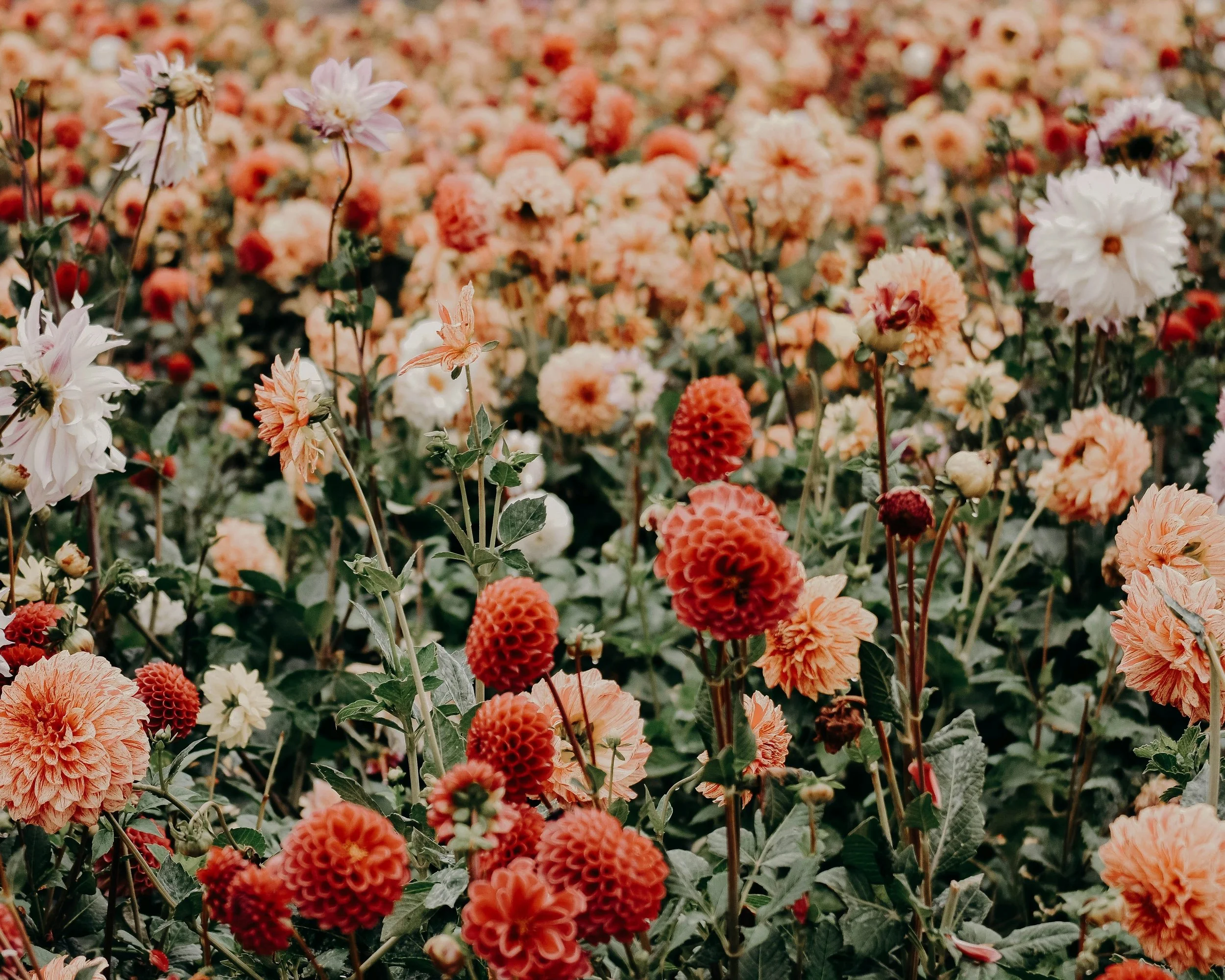
I’m not long back from an off-grid solo retreat on a beautiful organic farm in a valley in Wales. It was a profound reset for me and, while I was there, this thought about abundance kept coming back to me. So much of the way the idea of abundance is discussed is around receiving - how can I align myself to receive more of what I desire. But that’s not what abundance is about.
The phrase normally used is to be overflowing with abundance - and the key is really in there but often overlooked. It’s really about our ability to give. If I want to live in a beautiful garden, it’s the care and effort I pour into the plants that is multiplied into what I receive in return. Nature always amplifies our creative energy - if I plant one tomato seed it can grow into a plant that will provide hundreds of fruits and thousands more seeds.
If I make beautiful chairs hand-carved from wood from a specific forest, my abundance is not how much I can sell them for. It’s my ability to tend to the woodland and support the workers whose care and attention will sustain my craft and elevate the quality of my product.
It may be very possible for me to achieve more short term gain by harvesting the whole woodland for minimal effort, but any extractive approach like this cannot be sustainable and will always eventually break the system. I may even get to be the richest coffin in the graveyard, but the consequences of my choices will be my legacy. We’re experiencing the end game effects of this way of living coming thick and fast.
But it doesn’t have to be like this - if I want to live in a fun, creative, safe and connected community, the effort and energy I put into supporting and elevating local businesses, projects and events will be amplified. I get to live in the town I help to create.
Every single action we take is both creative and destructive at the same time. I try not to get hung up on right or wrong because that argument doesn’t actually move things forward. It’s much more effective to audit our choices and consider if they are sustaining and empowering life, or if they are extractive and destructive.
Our modern systems are so complex, it makes it incredibly difficult to fully comprehend the impact of our choices - the businesses we choose to support, how they treat their workers, or their impact on the environment. There’s no perfection here, it’s a process towards being as conscious as we can - slowing down and being more intentional in what we consume, and how we can create more abundance around us.
-
Thanks for reading.
James Garside is a psychotherapist and men’s group facilitator based in Kettering, Northants. To enquire about psychotherapy services in-person or online over Zoom, get in touch.